Living in Iowa, South Dakota, or Nebraska means experiencing the full spectrum of weather, from scorching summer heatwaves to bitter winter cold snaps. These extreme conditions, along with severe storms and sudden temperature swings, can place immense stress on your home’s HVAC system. Your furnace and air conditioner work tirelessly to keep you comfortable, but they need protection to operate efficiently and reliably year after year.
Protecting your HVAC investment is about more than just avoiding costly repairs; it’s about ensuring your family’s comfort and safety, no matter what the weather brings. This guide offers practical ways homeowners in the Siouxland region can safeguard their heating and cooling equipment, improve efficiency, and extend the lifespan of their system.
Why Extreme Weather Is Hard on HVAC Systems
Your HVAC system is engineered to handle a wide range of temperatures, but the severe weather we often see in the Midwest can push it to its limits. Understanding how these events affect your equipment is the first step in protecting it.
During subzero winter temperatures, your furnace or heat pump must run almost continuously to maintain a comfortable indoor temperature. This constant operation puts wear and tear on all mechanical components. Conversely, summer heat waves force your air conditioner into long, demanding cycles, which can strain the compressor and other critical parts. It’s a year-round battle against the elements.
Physical damage is another significant concern. High winds can blow branches and other debris into your outdoor AC unit, damaging the delicate fins and fan blades. Hail can cause similar damage, and heavy snow and ice can completely block the unit, preventing proper operation and potentially leading to internal damage. Severe storms also bring power outages and electrical surges, which can fry sensitive electronic components in your system.
Schedule Preventive HVAC Maintenance Before Peak Weather Seasons
The single most effective way to prepare your HVAC system for extreme weather is with professional preventive maintenance. Scheduling seasonal tune-ups helps our technicians identify and address small issues before they become major problems during a heatwave or blizzard. Think of it as a wellness check for your home’s most important comfort system.
We recommend scheduling furnace maintenance in the fall, before the winter cold sets in, and an AC maintenance visit in the spring before summer heat arrives. During these appointments, our certified technicians perform a comprehensive inspection, checking electrical connections, cleaning coils, measuring refrigerant levels, ensuring proper airflow, and testing overall system performance. This proactive approach ensures your system is ready for the demands of our sudden Midwest seasonal shifts.
Keep Outdoor HVAC Equipment Clear and Protected
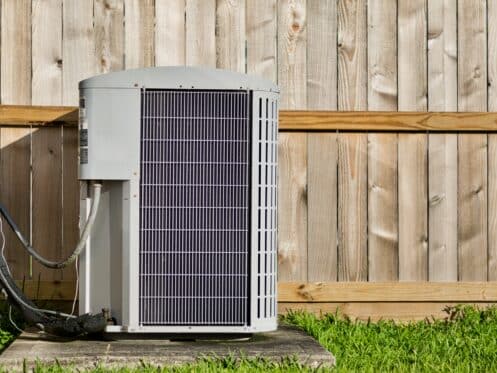
Your outdoor condenser or heat pump unit is the heart of your cooling system, and it’s constantly exposed to the elements. Homeowners can take a few simple steps to reduce the risk of physical damage and ensure it operates correctly.
Throughout the year, make sure to keep the area around your unit clear. Trim back shrubs and remove fallen leaves, branches, and other debris. We recommend maintaining at least two feet of clearance on all sides for proper airflow.
After a storm with high winds, hail, or heavy snow, it’s a good idea to inspect the unit for visible damage. Gently brush away any snow or ice accumulation, but avoid using sharp objects that could damage the coils.
While it might be tempting to cover your unit, avoid using tarps or plastic covers that trap moisture and can lead to rust and corrosion. If you do choose to use a cover during the offseason, make sure it is breathable and designed specifically for HVAC equipment.
Change Air Filters More Often During Heavy System Use
During periods of extreme heat or cold, your HVAC system runs much more frequently than it does during mild weather. This increased runtime means it’s pulling more air, and more airborne particles, through the system. As a result, your air filter can become clogged much faster.
A dirty filter severely restricts airflow, forcing your system’s fan motor to work harder to circulate air. This added strain not only increases your energy consumption but can also lead to premature component failure. In some cases, severely restricted airflow can cause your air conditioner’s evaporator coil to freeze over or your furnace’s heat exchanger to overheat. For homes in Iowa and Nebraska with pets, dust, or allergy concerns, it’s especially important to check your filter monthly during peak seasons.
Protect Your HVAC System from Power Surges and Outages
The severe thunderstorms common in our region can cause significant electrical problems for your home. Power surges, which are brief spikes in your home’s electrical voltage, can cause permanent damage to the sensitive circuit boards and motors inside your HVAC system.
Investing in a whole-home surge protector is one of the best ways to safeguard all of your valuable electronics, including your heating and cooling equipment. You can also have a specific surge protector installed directly at the HVAC unit.
After a power outage, wait a few minutes after the power returns before letting your system restart. This helps it avoid the initial surge that often accompanies power restoration. If your system doesn’t turn back on, check the circuit breaker. If that doesn’t solve the problem, call a professional for assistance.
Improve Home Efficiency to Reduce HVAC Strain
Your HVAC system doesn’t work in a vacuum; its performance is directly linked to the efficiency of your entire home. A well-sealed and insulated house retains conditioned air better, meaning your furnace and AC don’t have to work as hard to maintain your desired temperature. This is especially critical during extreme weather.
You can reduce HVAC strain by sealing air leaks around windows, doors, and any openings for pipes or wiring. Adding or improving insulation in your attic and walls can also make a huge difference.
In the summer, use curtains or blinds on sun-facing windows to block solar heat gain. Ensure all your vents are open and unblocked by furniture or rugs to promote balanced airflow. Using a programmable or smart thermostat can also help you manage energy use wisely without sacrificing comfort.
Know When to Call an HVAC Professional After Severe Weather
Even with the best preparations, extreme weather can sometimes cause damage. It’s important to recognize the warning signs that your system needs professional attention after a storm or temperature swing. Ignoring these signs could lead to more extensive damage.
- Unusual grinding, banging, or squealing noises
- Burning, electrical, or other strange smells
- Weak or inconsistent airflow
- Uneven heating or cooling
- Frequent on-and-off cycling (short cycling)
- Ice buildup or pooling water
- Sudden spikes in energy bills
If you experience any of these issues, it’s best to schedule a professional HVAC repair service to diagnose and resolve the problem safely.
Protect Your Home Comfort With Kalins Indoor Comfort
Facing the extreme weather in the Siouxland region requires a reliable HVAC system. Through consistent preventive maintenance, smart homeowner habits like keeping your outdoor unit clear and changing filters, and knowing when to call for professional help, you can protect your system from strain and damage. For over 100 years, Kalins Indoor Comfort has been dedicated to keeping families in our community comfortable and safe.
If you have concerns about your system’s readiness for the next season or need service after a storm, our team is here to help. Contact Kalins Indoor Comfort today for expert HVAC service in Iowa, South Dakota, and Nebraska to ensure your home is prepared for whatever the weather brings.
Frequently Asked Questions
For optimal performance and longevity in the Midwest’s demanding climate, we strongly recommend scheduling professional HVAC maintenance twice a year. A furnace tune-up in the fall prepares your heating system for winter, and an AC tune-up in the spring ensures your cooling system is ready for summer.
Generally, you should not cover your AC unit with a non-breathable plastic tarp since this can trap moisture and cause damage. HVAC systems are built to withstand the elements. However, a strong but breathable cover can help keep leaves and debris out during the fall and winter. During a hailstorm, a sturdy piece of plywood placed on top (with a weight to hold it down) can protect the fan and fins, but it should be removed immediately after the storm passes.
First, check your home’s main circuit breaker panel to see if the breaker for the HVAC system has tripped. If it has, you can reset it once. If it trips again, call a professional immediately. If the breaker is fine, try turning the system off at the thermostat, wait about 10-15 minutes, and then turn it back on. If it still doesn’t start, it’s time to contact a certified HVAC technician for a safe and accurate diagnosis.