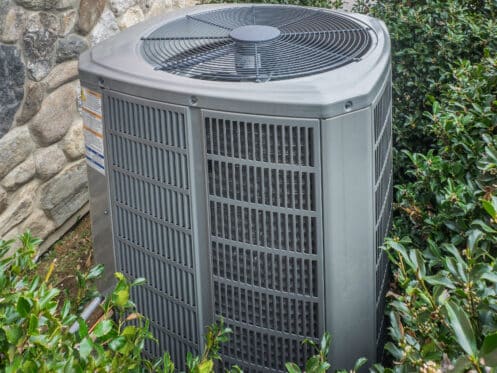
Well-maintained landscaping in Sioux City and beyond can enhance curb appeal, but it can also impact your comfort and energy bills. The best landscaping keeps the outdoor unit clear of obstructions and provides light shade to enhance airflow and energy efficiency. The right choices also protect the outdoor unit from flying debris and keep it easy for a technician to reach. Getting this balance right, including proper drainage around the outdoor unit, can lower energy use, reduce repairs, and extend your air conditioner’s lifespan.
Why the Space Around Your Outdoor Unit Matters
Your outdoor condenser unit releases the heat collected from inside your home. To do this, a large fan inside the unit pulls outdoor air through the metal fins on its sides. This airflow passes over coils containing refrigerant. The process transfers the heat from the refrigerant to the air, which is then blown out the top of the unit.
This heat exchange process is the core of how your AC works. If anything obstructs the air being pulled in or blown out, the system can’t release heat effectively. It has to run longer and work harder to cool your home, increasing wear and tear. Obstructions can also raise energy bills and increase the risk of a breakdown during a hot summer.
How Overgrown Plants Restrict Airflow
One of the most common landscaping issues we see is vegetation growing too close to the outdoor unit. Plants that encroach on your AC can severely restrict the airflow it needs to function. When the unit can’t “breathe,” it has to work overtime, which can strain the compressor, the most expensive component of your system. If you notice your system is struggling, it may be time to consider professional air conditioning services to assess the situation.
- Plants place too closely
- Tall grass and weeds
- Vines growing up the unit’s side
- Excessive mulch piled against the unit
- Fallen leaves and grass clippings
- Solid fencing built for concealment
- Decorative screens or enclosures
Why Clearance Around the Unit Helps Heat Escape
Maintaining proper clearance is about more than just letting air in. It’s also about letting the hot air out. The fan expels a large volume of heated air from the top of the unit. If tree branches, a deck, or an enclosure block this hot air, it can be pulled back into the sides of the unit.
When the air that should cool the coils is already warm, the heat exchange process becomes incredibly inefficient. The compressor and fan motor must run continuously, driving up your energy costs and putting excessive stress on the entire system. We recommend at least two to three feet of clearance around the unit and five feet above it to ensure proper heat dissipation.
Can Shade Improve HVAC Efficiency?
Shade can indeed be an ally in your quest for better HVAC efficiency. An outdoor unit in direct, intense sunlight has to work harder to shed heat than one in a cooler, shaded spot. The sun’s rays heat the metal casing and the surrounding air, raising the unit’s starting temperature before a cooling cycle even begins.
Strategically shading your AC unit can lower the ambient temperature around it. The system doesn’t have to overcome as much external heat, which can reduce energy consumption noticeably on the hottest days. Strategic shade is just one of many ways you can increase the efficiency of your HVAC unit.
Why Tree Placement Matters More Than Heavy Coverage
While shade is beneficial, the source of that shade is critical. A large tree directly over your outdoor unit often creates more problems than it solves. Trees drop leaves, twigs, seeds, and sap that can fall into your condenser unit, clog the fan, and cover the coils inside. This debris can trap moisture, promote corrosion, and block airflow.
The ideal solution is strategic, high-canopy shade. A deciduous tree planted to the west or south of your unit can provide shade from the afternoon sun without being directly overhead. This provides the cooling benefit of shade while minimizing the risk of falling debris.
Landscaping Mistakes That Add Dirt, Debris, and Moisture
Other landscaping choices can introduce harmful elements to your HVAC system. Using gravel or very fine mulch around the unit can be problematic. When you use a lawnmower or leaf blower nearby, these small particles can get kicked up and pulled into the unit’s fins. This creates a blanket of grit that is hard to remove and hampers heat transfer.
Mowing your lawn with the mower’s discharge chute pointed toward the unit is another common mistake. This sprays a thick layer of wet grass clippings directly onto the coils, where they can decompose and cause corrosion. .
How Drainage Around the Unit Affects Performance
Water and electricity do not mix, and your outdoor HVAC unit contains critical electrical components. The unit should be on a sturdy, level concrete pad that keeps it elevated above the ground. Grade the ground to slope away from the unit, ensuring water drains away from it.
Water pooling around the base can seep into the electrical components, leading to shorts and failures. Constant moisture also accelerates rust on the unit’s base and cabinet. In some cases, poor drainage can erode the soil under the pad, causing it to tilt or sink. An unlevel unit can cause lubrication problems for the compressor motor, leading to premature failure.
Why Service Access Should Be Part of the Landscape Plan
When our technicians arrive for a service call, they need a clear path to the equipment and space to work safely and effectively. They need to open the service panels, connect gauges and tools, and inspect all sides of the unit. Avoid planting thorny bushes near the unit, and don’t build fences or enclosures without a removable panel or gate. Easy access for routine AC maintenance helps our team keep your system running at its best without delays.
Signs Landscaping May Already Be Affecting Your AC
If your yard is overgrown or you’ve recently changed the landscaping, watch for red flags indicating restricted airflow or other issues. Symptoms include longer cycles than before, sudden, unexplained increases in summer energy bills, or insufficient cooling. You might also hear unusual noises from the outdoor unit as it struggles to pull in enough air. If you notice any of these signs, it may be time for a professional AC repair to diagnose the problem.
Keep Your Outdoor Unit Working Efficiently With Kalins Indoor Comfort
Proper landscaping is a simple yet effective way to protect your HVAC investment and maintain home comfort. Provide adequate clearance, promote good airflow, manage debris, and plan for easy service access. Since 1921, our family-owned business has been helping homeowners in Siouxland get the most out of their home comfort systems.
For expert advice on your HVAC system’s performance and maintenance in Siouxland, trust the professionals. Contact Kalins Indoor Comfort today to schedule your service
FAQs
It’s best to maintain at least two to three feet of clear space on all sides of your outdoor unit. This allows for sufficient airflow into the condenser coils. You should also have at least five feet of vertical clearance above the unit for proper heat dissipation.
No, you should not cover your AC unit when it’s raining or during normal operation in the summer. These units are designed and built to withstand the elements, including rain. Covering it can trap moisture inside, which may lead to rust, corrosion, and mold growth on the internal components. We recommend a cover only during the off-season to protect it from snow and falling debris.
Yes, shade can help your AC run more efficiently, but the placement of the shade source is critical. A unit operating in a shaded area will not have to work as hard as one sitting in direct sunlight. However, trees or structures that are too close can block airflow or drop debris into the unit, which negates any benefit. The best solution is high, dappled shade from a tree that is a safe distance from the unit.